A Seasonal Maintenance Guide After Gutter Installation
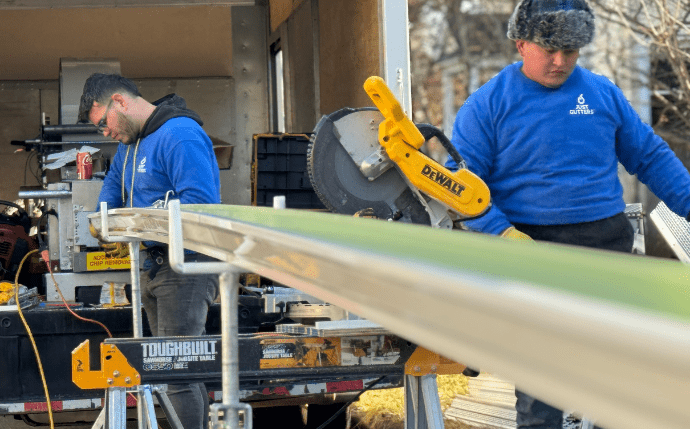

A new gutter system can make a house look finished in a way most people do not notice until they see the before and after. Lines are cleaner, runoff is controlled, and the roof edge suddenly feels intentional. But the real value of gutter installation shows up during the first hard rain, the first freeze, and the first season when leaves start to pile in places they should not.
New gutters are not a fit-it-and-forget-it upgrade. They are durable, but they are not self-managing. Even a well-installed system can struggle if debris collects in the troughs, if downspouts clog, or if water begins overshooting because a section shifted slightly under load. Most of the expensive gutter problems I have seen did not start with dramatic failure. They started quietly, with a little standing water near a corner, a downspout that drained slowly, or a splash mark along the siding that nobody noticed until paint began to peel.
Seasonal maintenance is what protects the investment. It also protects the fascia, soffits, foundation, landscaping, and basement. If you stay ahead of small changes, a quality gutter installation can perform well for years with no major repairs. If you ignore it, a new system can begin acting old far sooner than it should.
What changes after new gutters go in
Right after gutter installation, many homeowners assume the hard part is over. Structurally, it often is. The pitch has been set, the hangers are in, the downspouts have been routed, and the seams or joints have been sealed. That said, the first year matters more than most people expect because it reveals how the new system interacts with the specific house.
Every roof sheds water differently. A steep asphalt roof throws runoff faster than a low-slope roof. A metal roof can move water and snow in sudden bursts. A house under mature oaks will load a gutter system very differently from a house in an open subdivision with minimal tree cover. The installer can account for known conditions, but real-life performance still needs observation through the seasons.
I usually tell homeowners to pay attention to the first few storms after installation. Stand back, not under the eaves, and watch how the water behaves. You are looking for the obvious things, like overflow or drips at joints, but also the subtler ones. Does one downspout discharge too close to a walkway? Does runoff dig a trench into mulch? Does water spill over one corner only when rain is heavy and wind-driven? These are not signs of a failed job by default. Sometimes they indicate a minor adjustment is needed, especially once the house experiences real weather rather than a clean final walkthrough on a dry day.
The first season sets the tone
The maintenance rhythm starts sooner than many people think. A clean new system can still collect roofing granules, construction dust, twigs, and sealant scraps. If the installation happened during a reroofing project, the amount of grit in the gutters can be surprising. Those abrasive granules do not usually cause immediate damage, but they can slow flow and collect at outlets.
The first season is also when fasteners, brackets, and seals prove themselves. Materials expand in heat and contract in cold. A gutter run that looks perfectly straight in mild weather may reveal a minor dip after a summer of thermal movement or a winter of snow load. Catching that early is ideal because correction is usually simple.
One homeowner I worked with had seamless aluminum gutters installed in late spring. By August, they were convinced something was wrong because a section near the garage always held a narrow ribbon of water after storms. The issue was not major. A single hanger near the midpoint had not been set quite right, leaving a barely visible low spot. Five minutes of adjustment fixed it. If they had ignored it for two years, that standing water would have invited sediment buildup, mosquito activity, and eventually premature wear at that spot.
Spring, the cleanup season that reveals winter damage
Spring is when gutter systems tell the truth. Winter can be hard on even excellent installations, especially in climates with freeze-thaw cycles. Ice can force debris into outlets, snow slides can tug on downspouts, and expansion from trapped water can stress seams. Even in milder climates, spring pollen and seed drop can start building a paste-like sludge that sticks to the inside of the trough.
A proper spring inspection should focus on both flow and structure. Look inside the gutters for compacted debris, not just loose leaves. Check the downspout elbows, where clogs often begin. Then step back and inspect the system from the ground. Does the gutter line still appear straight? Are there places where the front edge bows slightly? Do the downspouts sit snug against the wall, or has one strap pulled loose?
Spring is also the right time to inspect the areas around the gutter system. Water stains under the eaves, peeling trim paint, or muddy splash patterns along the foundation often reveal drainage problems before the gutters themselves seem obviously compromised. If a basement corner becomes damp every spring, the problem may have less to do with the foundation than with one overloaded gutter run dropping water too close to that area.
For houses surrounded by maples, sycamores, or cottonwoods, spring can actually demand more attention than fall. Blossoms, seed pods, and helicopters can create stubborn obstructions that do not look serious from the ground. I have cleared gutters that appeared nearly empty except for a dense mat right over the outlet. Water had nowhere to go, so it simply poured over the sides during storms.
Summer, when small defects become visible
Summer maintenance tends to be overlooked because dry weather creates the illusion that everything is fine. In reality, summer is the easiest time to spot alignment issues, seal failures, and drainage patterns around the home.
On a dry day, check for residue lines inside the gutters. Those lines show where water tends to sit. A light film near the outlet is normal. A dark band at mid-run usually means the slope needs attention. Look at joints and end caps for faint streaks or oxidation, which can indicate slow leaks. On painted gutters, bubbling or discoloration near a seam should not be ignored.
This is also the season to evaluate downspout discharge. After gutter installation, many homeowners focus on the gutters overhead and forget the final step, where the water ends up. If a downspout empties too close to the foundation, the system is only doing half the job. Extensions, splash blocks, or underground drainage may be needed depending on grading and soil type.
Clay-heavy soil, for instance, sheds water differently from sandy soil. A discharge point that seems acceptable in July may become a muddy pool in November. Watch how the yard responds after a summer storm. If runoff creates channels in flower beds, splashes dirt onto siding, or keeps one part of the lawn soggy, adjust the discharge before wetter seasons arrive.
Summer is also a good time to trim back overhanging branches. That does more than reduce leaf fall. It limits twigs, seed debris, and the abrasive scraping that can occur when branches rub against gutters in wind. It also reduces the likelihood of animals using branches as access points to the roofline.
Fall, the season that tests every gutter system
Fall is when even a recent gutter installation earns its keep. Leaves do not have to fill a gutter completely to cause trouble. A shallow layer can dam water, especially at outlets and corners. Once wet leaves compact, they hold moisture and accelerate grime buildup. Add a few pine needles or roof granules and the blockage becomes much harder to flush out.
Homes under deciduous trees usually need at least one serious fall cleaning, often two. Timing matters. Clean too early and the system fills again before winter. Wait too long and storms may arrive while the gutters are already burdened. In many regions, the best approach is a mid-fall check followed by a final cleaning after most leaves have dropped.
Fall is also when gutter guards get judged honestly. Some perform well against broad leaves but struggle with small seed pods or shingle grit. Others reduce cleaning frequency without eliminating it. Guarded systems still need inspection, especially near valleys where concentrated runoff can drive debris into openings. A homeowner once told me their guards meant they would never need maintenance again. A year later, the gutter itself was mostly clear, but the top of the downspout was packed with maple seeds that had slipped through and settled exactly where flow narrowed.
If your home is in a wooded area, pay special attention to valleys and transitions where two roof planes feed one section of gutter. Those spots carry heavier water volume and more debris than straight runs under a simple roof edge. A system can look clean overall and still fail at one overloaded point during a storm.
Winter, where prevention matters more than cleanup
Winter maintenance depends heavily on climate. In warm regions, the focus is mostly on storm readiness and making sure outlets stay open. In colder climates, the priority shifts to preventing ice-related stress.
Gutters do not create ice dams by themselves, but they can contribute when attic heat loss, roof snow, and poor drainage combine. If meltwater cannot move through the system, it may refreeze at the edge and build upward. That is partly a gutter issue, partly a roof and insulation issue. The right response is not always replacing the gutter. Sometimes the better fix is improving attic ventilation or air sealing.
Avoid the temptation to chip ice out of gutters with sharp tools. That often does more harm than the ice. Bent metal, punctured liners, damaged coatings, and loosened fasteners are common results. If ice is recurring, treat it as a diagnostic clue. Ask why water is lingering there. Is there a low spot? Is the downspout partially blocked? Is heat escaping from the attic above that section?
Snow load deserves attention too. Heavy, wet snow sliding off a roof can wrench gutters downward, especially on metal roofs without proper snow management. After a major winter event, inspect from the ground for sagging, separated joints, or downspouts pulled away from the wall. The earlier you address movement, the better chance you have of avoiding fascia damage.
A practical inspection routine that actually gets done
The best maintenance plan is the one a homeowner can realistically keep. That usually means short, seasonal checks rather than one big annual effort that gets postponed year after year. A consistent 15 to 20 minute walkaround can catch most developing issues before they become repair bills.
Use this simple routine as a baseline:
- Look at the gutters from the ground after a storm and note any overflow, dripping seams, or discharge pooling near the house.
- Check for visible debris at corners, outlets, and valley-fed sections, which are the first places clogs form.
- Inspect downspouts and wall straps for looseness, dents, or separation at elbows.
- Look for signs on the house itself, including water marks, peeling paint, mildew, or eroded soil below the roof edge.
- Schedule cleaning or adjustment promptly if you notice standing water, sagging, or repeated overflow in the same location.
That routine is simple on purpose. It does not require special tools or a free weekend, and it covers the issues that most often turn into larger problems.
Cleaning methods that protect the system
Not all gutter cleaning is equal. A rushed cleaning can leave clogs behind or damage the very system it is supposed to preserve. The safest approach is gentle removal of debris by hand or scoop, followed by flushing with water to confirm proper flow. Aggressive pressure washing from the wrong angle can force water under shingles or blast debris into downspouts so tightly that it compacts into a harder blockage.
If ladders are involved, caution matters more than speed. Many homeowners sensibly hire this out, especially for two-story homes or steep grading. Professional cleaning is often worth the cost simply because it improves consistency. When someone who understands gutters is already up there, they can spot seam failure, improper pitch, hanger issues, and early corrosion that a basic cleanup crew might miss.
One important judgment call is when not to flush aggressively. If a downspout is clearly clogged and the system is older or marginally supported, blasting gallons of water into a blockage can overload a weak section. In that case, it is better to clear the downspout first, either from the bottom up or by disconnecting an elbow if the design allows.
For homes with gutter guards, cleaning often shifts from scooping out troughs to clearing the top surface, checking edges, and verifying that debris has not bypassed into outlets. That is lighter work, but not zero work.
When a minor issue is still worth calling about
After gutter installation, homeowners sometimes hesitate to call the installer about a small concern because they do not want to sound picky. In practice, early feedback is useful, especially if the work is still within a workmanship warranty period. A tiny leak at a seam, a section that seems to hold water, or a downspout that splashes awkwardly onto a walk is easier to address now than after two seasons of wear.
The key is to report specific observations. Instead of saying the gutter is not working right, say that water spills over the front edge above the porch only during heavy rain, or that the back corner holds water for a day after storms. Those details help determine whether the issue is pitch, capacity, obstruction, or discharge placement.
Some signs justify prompt professional attention because they hint at structural stress rather than routine maintenance:
- repeated overflow in one area after cleaning
- visible sagging or separation from the fascia
- leaks at multiple seams or end caps
- water collecting near the foundation despite clear gutters
- downspouts that back up or discharge very slowly
None of those symptoms automatically mean the entire system was installed poorly. They do mean the system needs diagnosis, not just another cleaning.
Gutter maintenance and the rest of the house
One reason seasonal maintenance matters so much is that gutters sit at the intersection of multiple building systems. When they fail, the effects spread. Roof edges stay wet longer. Fascia boards soften. Siding stains. Basement walls absorb more moisture. Mulch washes out. Steps ice over. What looks like a narrow exterior issue can become a whole-house moisture problem if water keeps landing https://medium.com/@justgutterllc/about in the wrong place.
That is why I always advise homeowners to think beyond the gutter trough itself. If you are investing in gutter installation, make sure the drainage path from roof to ground is complete. That includes adequate downspout sizing, proper extensions, sensible grading, and, where needed, coordination with drains or splash protection. The best gutter in the world cannot compensate for a downspout that empties into a depression next to the foundation.
There is also an aesthetic payoff to maintenance. Clean, aligned gutters preserve curb appeal better than many people realize. Streaking, sagging, and overflow stains make a house look neglected quickly. On the other hand, a system that sheds water cleanly through every season tends to disappear visually, which is exactly what most homeowners want.
A note on materials and how maintenance varies
Not every gutter system ages the same way. Aluminum, copper, steel, and vinyl each ask for different expectations. Aluminum is popular because it is light, rust-resistant, and practical, but it can dent and bend under impact or ladder pressure. Steel is stronger but may be more vulnerable to rust if coatings fail. Copper lasts a long time and develops character, though repairs should match the material and craftsmanship. Vinyl can work in some applications but is less forgiving in climates with temperature extremes.
The maintenance principles remain similar across materials, but the warning signs differ. On aluminum, watch for deformation and loose hangers. On steel, inspect for coating breakdown and rust at seams or fasteners. On copper, pay attention to joint integrity and compatible repair methods. Material matters because the right fix for one system can be the wrong fix for another.
This is another reason why keeping records from the original gutter installation helps. Know the material, gauge if available, guard type if installed, and who did the work. That information speeds up future service and helps avoid mismatched parts or inappropriate sealants.
The long view
A gutter system does not need constant attention, but it does need steady attention. Think of it like roof maintenance or HVAC filter changes. Small, regular care is cheaper, safer, and far less disruptive than waiting for obvious failure.
If the goal of gutter installation was to direct water away from the home reliably, seasonal maintenance is what fulfills that goal year after year. Spring reveals what winter did. Summer exposes subtle defects. Fall loads the system with debris. Winter tests every weak point. Work with those rhythms rather than against them, and the gutters will do their quiet job exactly as intended.
That is really the standard homeowners should expect. Not perfection in every storm, not zero maintenance forever, but dependable performance because the system is watched, cleaned, and corrected before little issues become expensive ones.
Just Gutters LLC
Address: 262 Main St, Hackettstown, NJ 07840
Phone number: +12013319454
FAQ About Gutter Installation Hackettstown
Can I install a gutter myself?
Yes, you can install gutters yourself. DIYers typically use aluminum or vinyl sections from home improvement stores. The project requires basic tools, precise measuring, and comfort working on ladders. Key steps include snapping a chalk line for a slight slope (1/4 inch per 10 feet toward downspouts), securing hangers every 2 feet, and caulking all joints securely.
How much does body contouring usually cost?
The Home Depot typically charges between $1,000 and $3,600 for a standard professional gutter installation on a typical single-family home with 200 linear feet of gutters. Calculated on a per-foot basis, the cost usually ranges from $5 to $18 per linear foot, highly dependent on the material you select.
How much does a 40 ft seamless gutter cost?
A 40 ft seamless gutter run will cost between $240 and $1,120+ fully installed, depending on the material you choose. Because seamless gutters require specialized on-site fabrication machines, they are rarely sold as DIY kits and are priced per linear foot.