Complete Guide to Gutter Repair in Hackettstown, NJ

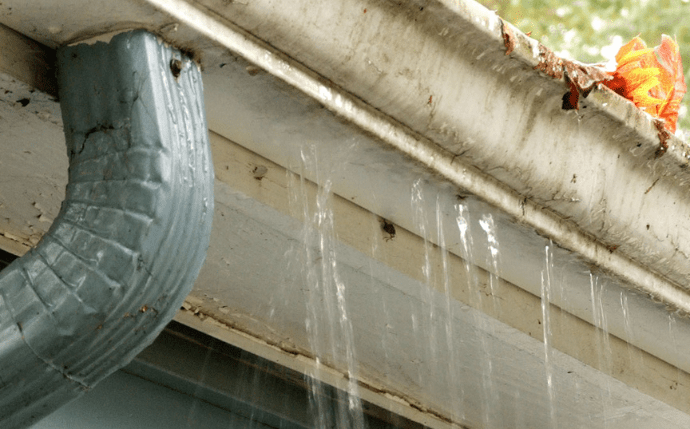
Gutters rarely get much attention until they fail, and by then the damage usually spreads beyond the gutter itself. In Hackettstown, where homes see heavy spring rain, humid summers, falling leaves, winter ice, and the freeze thaw cycle that punishes exterior materials, small gutter problems have a way of turning into expensive repairs. A seam opens, water slips behind the trough, fascia starts to soften, and one season later you are no longer talking about a simple fix. You are pricing trim replacement, soffit work, and maybe even foundation drainage correction.
That is why Gutter Repair Hackettstown is not just a maintenance task. It is a form of home protection. A working gutter system controls roof runoff, moves it away from siding and windows, limits soil washout, and helps keep basements and crawl spaces drier. When the system sags, clogs, leaks, or pulls loose from the house, every storm becomes a stress test.
Anyone who has spent time around older homes in Warren County has seen the pattern. A house can look sound from the driveway, yet the downspout outlet is dumping beside the foundation, the rear gutter has standing water, and the front corner has black streaks where overflow has been hitting the trim for years. None of those issues begin as disasters. They begin as ignored maintenance.
Why gutters matter more in Hackettstown than many homeowners realize
Hackettstown homes deal with weather conditions that expose weak points fast. Rainfall is only part of the story. In late fall, leaves and seed pods collect in valleys and troughs. In winter, trapped water freezes in low spots, expands at seams, and loosens hangers. On sunny cold days, roof snow melts and refreezes near the eaves. If the gutter pitch is off or debris blocks flow, that water lingers.
Local housing stock adds another layer. Many homes in and around Hackettstown are not new builds with perfectly straight fascia boards. They may have settled a bit, had additions over the years, or carry a patchwork of old and newer gutter sections. What looks like a simple reattachment job may involve correcting bad pitch, replacing rotted fastening points, or adapting one section to a mismatched downspout size. Good repair work comes from reading the whole drainage path, not just tightening a few screws.
A gutter system does not need to be pretty to work well, but it does need alignment, secure attachment, and a clear route for water from roof edge to discharge point. When one piece fails, the rest of the house starts paying for it.
The first signs that a repair is overdue
Most homeowners notice gutter trouble in the middle of a storm, when it is hardest to inspect safely and easiest to miss the true source of the problem. The better approach is to look for a handful of repeat warning signs before weather turns severe.
- Water spilling over the front edge during ordinary rain, not just during a downpour
- Gutters that sag in the middle or pull away from the fascia at corners and hanger points
- Rust spots, pinholes, or seam staining beneath joints and end caps
- Peeling paint, soft wood, or mildew where gutters meet fascia and soffit
- Pooled water near the foundation or erosion beneath downspout discharge areas
Each of these points tells a slightly different story. Overflow often means clogging, undersized downspouts, or poor pitch. Separation from the house can mean failed fasteners, rotted wood behind the gutter, or snow and ice load that bent the section. Stains beneath a seam usually mean slow leakage that has been happening longer than anyone realizes. By the time exterior paint bubbles, moisture has already gotten where it should not.
One practical habit helps here. Walk the perimeter during or right after a moderate rain, not a major storm. Bring an umbrella and stay on the ground. You can learn a lot just by watching where water exits, where it drips from joints, and whether one side of the house stays wetter than the rest. It is one of the easiest ways to spot a drainage problem before it turns structural.
What actually goes wrong with gutters
People often speak about gutters as if they fail in one generic way, but repair decisions depend on the exact failure. A leaking seam is not the same job as a twisted downspout elbow. A detached gutter can be a hardware issue, or a carpentry issue hidden behind metal. The best repairs begin with diagnosis.
Seams are a common weakness in sectional gutters. Over time, sealants dry out, movement from temperature swings breaks adhesion, and trapped debris keeps moisture sitting where two sections meet. Once leakage starts, water follows gravity and capillary action into places that make the original problem look minor.
Pitch problems are another frequent culprit. Gutters need a subtle slope toward the downspout. Too little pitch and water stands. Too much and the system looks awkward and can spill at the low end during heavy flow. On long runs, pitch needs to be carefully balanced so drainage works without creating a visibly uneven gutter line. I have seen many amateur repairs make this worse, especially when a homeowner rehangs one corner without checking the entire run.
Fastener failure shows up all over New Jersey. Older spike and ferrule systems can loosen over time, especially if wood behind the gutter has softened. Modern hidden hangers are usually stronger, but they still depend on sound fascia. If the board behind the metal is compromised, new screws alone will not solve the problem. They may hold briefly, then pull out again after the next freeze or snow load.
Downspouts are often overlooked because they seem simple. Yet a crushed section, loose strap, clogged elbow, or poor discharge location can make an otherwise decent gutter system act broken. If water exits too close to the foundation, the gutter did its job only halfway.
Then there is corrosion. Aluminum gutters do not rust like steel, but they can still pit, crack, and fail at joints. Older galvanized steel gutters may develop rust at seams, screws, and low spots where water stands. Copper lasts a long time, but repair decisions are more specialized and usually less forgiving if done poorly.
Repair or replace, the judgment call that matters
One of the most common questions homeowners ask is whether repair makes sense or whether replacement is the smarter investment. There is no honest one size fits all answer. The decision depends on age, material, extent of damage, and whether the current system was adequate to begin with.
If a relatively modern aluminum system has a few leaking seams, a loose downspout, and one short sagging section, repair is usually the logical move. The work is targeted, cost stays contained, and the rest of the system may have years left. If the gutters are older, repeatedly clog despite cleaning, have multiple low spots, and are attached to deteriorating fascia, repair can turn into a string of temporary fixes.
A useful test is to ask whether the problem is isolated or systemic. Is one corner leaking because an end cap failed, or are several runs showing poor pitch, repeated leakage, and signs of water damage behind them? Is the gutter material itself still solid, or does it flex, crack, and show wear in multiple areas? Once you start solving three or four root problems at once, replacement often becomes more economical than piecemeal repair.
There is also curb appeal to consider, though it should come after function. A visibly wavy gutter line across the front of the house sends a message, and on some homes it can detract from the appearance more than owners expect. But appearance alone should not drive the decision. Performance should.
The most common gutter repairs in Hackettstown homes
In practical terms, most service calls for Gutter Repair Hackettstown fall into a manageable set of repair types.
Resealing joints and end caps is one of the simplest jobs when caught early. The old failed sealant has to be cleaned out properly, the surfaces dried, and a compatible sealant applied in the right conditions. Quick smears over dirt or wet metal rarely last.
Rehanging sagging sections is also common, but it is only straightforward when the fascia remains sound. A competent repair includes checking spacing between hangers, correcting slope, and making sure fasteners bite into stable wood. If the board behind the gutter is soft, that carpentry issue has to be addressed first.
Downspout repairs range from reconnecting loose elbows to replacing crushed sections or extending discharge farther from the foundation. These are often low drama fixes that produce immediate results. Homeowners usually notice reduced splashback and less pooling after the next rain.
Patch repairs can work on isolated holes or small damaged areas, though the material and location matter. A patch at a stress point or low point in an old system may not age well. On newer gutters, it can buy useful time.
Fascia and soffit repair sometimes becomes part of the gutter job, even if that is not what prompted the call. Water staining or peeling paint near the eave often hides wood damage. Ignoring that damage and simply reinstalling the gutter is false economy.
Seasonal pressure points that affect repair timing
Timing matters. In Hackettstown, late winter and early spring are prime seasons for discovering trouble. Ice stress, snow load, and freeze thaw movement tend to reveal weaknesses that built up quietly through the colder months. Homeowners see the evidence when snow melts and water begins pouring where it should not.
Spring is also when backlog starts building for exterior trades. Waiting until the first heavy April storm to call for repair can mean longer scheduling windows, especially after a severe weather stretch. Early fall is another smart time to inspect and repair, before leaves and winter conditions compound the problem.
Summer has advantages for repair quality. Warmer, drier conditions are better for sealants, easier for inspection, and usually safer for technicians working ladders and roofs. That said, midsummer thunderstorm patterns can expose drainage flaws quickly, so it is still a useful season for diagnosis.
The least favorable time to discover a serious gutter issue is during freezing weather when water is actively icing at the eaves. Emergency stabilization is possible, but durable repairs are often best completed once conditions improve. If a gutter has already pulled loose under ice load, the immediate goal is preventing further detachment and managing water until full repair can be done.
What a proper inspection should include
A meaningful gutter inspection goes beyond looking into the trough for leaves. It should evaluate the whole drainage system and the building areas most affected by failure. That means checking the gutter interior, seams, end caps, outlets, hanger spacing, pitch, fascia condition, soffits, downspout connections, and discharge paths at ground level.
The roof edge matters too. Granule buildup from shingles can signal roof aging and contribute to clogs. Drip edge details influence whether water enters the gutter cleanly or sneaks behind it. Valleys that dump large volumes into short gutter runs can overwhelm certain sections even when the rest of the system looks fine.
One detail many homeowners miss is splash pattern on siding or trim. Exterior staining often reveals overflow direction better than the gutter itself. Soil washout beneath one corner can also point to a chronic discharge problem. Good inspectors pay attention to those secondary clues because water always leaves a trail.
If you are evaluating a contractor, ask how they determine whether fascia damage exists before rehanging a loose gutter. If the answer is little more than “we put in longer screws,” keep asking questions.
When a DIY repair is reasonable, and when it is not
There are homeowners who handle minor gutter maintenance well. Cleaning accessible single story gutters, reattaching a loose downspout strap, or flushing a blockage can be reasonable if the ladder setup is safe and the person doing the work understands the limits. But a surprising number of gutter injuries happen during simple tasks because people underestimate height, reach, and ladder angle.
Beyond safety, there is the issue of hidden conditions. A gutter that appears loose may be attached to decayed fascia. A standing water problem may reflect incorrect pitch across a forty foot run, not just a clogged outlet. Applying sealant to a leaking seam without cleaning and resetting the joint can create the feeling of progress without stopping the leak.
Multi story homes, steep rooflines, older materials, and any sign of wood rot usually push the job into professional territory. The same goes for repairs near power lines or over uneven ground where ladder stability becomes questionable. Good judgment here saves money and avoids preventable accidents.
I have seen homeowners spend two weekends and several hardware store trips trying to stop a leak that turned out to be water running behind the gutter from a missing drip edge section. The gutter itself was not the real problem. That kind of misdiagnosis is common when people focus only on the visible drip.
The role of gutter guards, and the limits
Gutter guards come up in almost every repair conversation, usually after a clog has caused overflow. They can help, particularly in areas with heavy leaf drop, but they are not a cure for bad pitch, failing seams, undersized downspouts, or rotten fascia. If the base system is flawed, covering it does not fix it.
On the right house, guards reduce cleaning frequency and limit bulky debris buildup. On the wrong house, or with the wrong product, they can complicate cleaning, trap smaller debris, or create overflow behavior that owners did not have before. Pine needles, seed pods, and roof grit can challenge https://collinvyfr700.publishlane.com/posts/gutter-repair-hackettstown-to-stop-overflow-and-erosion certain guard styles.
The important point is sequence. Repair the gutter system first. Then consider whether guards make sense for the tree cover, roof design, and maintenance habits at the property. Treat them as an accessory to a properly functioning system, not a substitute for repair.
How pricing usually breaks down
Costs vary with height, accessibility, material, severity of damage, and whether carpentry is involved. A minor reseal and adjustment on one section will cost far less than rehanging long runs with fascia repair. Two houses of similar size can produce very different estimates if one has easy access and the other has landscaping, porches, or grade changes that complicate ladder placement.
Material matters too. Seamless aluminum systems are common and generally straightforward to service when damage is localized. Older steel or custom copper can change the labor equation. So can color matching if replacement sections are needed.
What homeowners should watch for is not just price, but scope. One estimate may appear lower because it omits hidden wood repair, downspout extension, or disposal. Another may cost more because it includes the corrections needed to keep the issue from returning. Comparing line by line detail matters more than chasing the cheapest number.
Choosing the right contractor in town
Finding a reliable contractor for Gutter Repair Hackettstown is less about flashy marketing and more about clarity, diagnosis, and consistency. The best ones usually explain the problem in plain language, show where the system is failing, and separate temporary fixes from durable solutions. They do not pretend every house needs full replacement, and they do not dismiss warning signs that suggest deeper damage.
A few direct questions can tell you a lot.
- Are you repairing the visible symptom, or the cause of the failure
- Will you check fascia and soffit condition before rehanging loose sections
- How will you correct pitch, not just reattach the gutter
- If replacement parts are needed, will they match the existing system in size and function
- What maintenance should be done afterward to prevent repeat problems
Listen for specifics. Vague reassurance is easy. Useful detail is harder to fake. A solid contractor can explain why one downspout needs extension, why a hanger pattern should change, or why a seam repair may hold only if a section is re-pitched at the same time.
It also helps to notice whether the contractor talks about water movement beyond the gutter itself. Where does the discharge end up? Is it washing into a bed, toward a walkway, or back toward the foundation? Good repair work accounts for the final destination of water, not just the first few feet of travel.
Simple maintenance that protects repair work
After repair, a little routine care goes a long way. Gutters do not need constant attention, but they do need periodic observation. For most Hackettstown homes, a spring check and a fall check are the minimum. Homes with dense tree cover may need more frequent cleaning.
Watch for recurring debris at valleys and outlets. Make sure downspout discharge remains clear and directed away from the house. If landscaping or mulch starts to block the splash area, water can back up or pool even when the gutter itself works properly. After any major storm or heavy winter event, a quick visual check from the ground is worth the few minutes it takes.
One often overlooked maintenance item is repainting or sealing adjacent trim when needed. Exterior coatings are part of the moisture defense system. If paint near the eaves is failing, do not assume it is cosmetic. It may be telling you water has been escaping longer than expected.
A final practical perspective
Gutters sit in that frustrating category of home components that are easy to ignore because they stay at the roofline and out of daily view. Yet they influence siding, windows, landscaping, basements, and foundation conditions every time it rains. In Hackettstown, where the seasons push exterior systems hard, timely repair is rarely wasted money.
The smartest approach is simple. Catch problems early, repair with the whole drainage path in mind, and do not confuse a temporary patch with a lasting fix. Whether the job is a resealed seam, a re-pitched run, new downspout routing, or partial replacement tied to fascia repair, the goal stays the same: move water off the roof and away from the house without leaks, overflow, or hidden damage.
When that happens, you stop thinking about gutters, which is exactly how a good gutter system should work.
Just Gutters LLC
Address: 262 Main St, Hackettstown, NJ 07840
Phone number: +12013319454
FAQ About Gutter Repair Hackettstown
What is the average cost to repair gutters?
The average cost to repair gutters is about $390, with most jobs ranging from $120 to $900 depending on the damage. You can explore detailed data and estimates on Angi.
Can I repair a gutter myself?
Yes, you can easily repair most common gutter problems yourself if you are comfortable working on a ladder.
How much does it cost to repair a leaking gutter?
The average cost to repair a leaking gutter ranges from $75 to $350. Most homeowners spend around $150 to $250 to hire a professional to patch small holes or reseal leaking joints. If the damage is severe and requires replacing entire sections, the price can increase from $300 to $800.